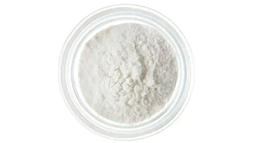
[Shanghai, July 2025] – China's latest industrial "anti-involution" campaign has triggered a sharp price surge in the purified terephthalic acid (PTA) and monoethylene glycol (MEG) markets, as stringent capacity exit policies tighten supply while downstream demand remains resilient.
Under directives from the National Development and Reform Commission (NDRC), aging production facilities face mandatory shutdowns:
· PTA units <1 million tonnes/year or operating over 20 years must exit by end-2025.
· Coal-based MEG plants failing to meet China’s updated energy efficiency standards (GB XXXX-2023) are required to close by mid-2026.
Industry analysts estimate these measures will eliminate ~12 % of China’s PTA capacity (8.5 million tonnes) and ~18% of coal-based MEG output (3.2 million tonnes), exacerbating supply shortages.
Market participants report:
· PTA chemical availability has tightened considerably, particularly for spot cargoes.
· MEG supply chains are experiencing logistical strains as buyers seek alternative sources.
"The capacity rationalization is happening faster than many market participants anticipated," noted a Shanghai-based petrochemical analyst. "This has created a pronounced inflection point in market balances."
The supply constraints are reverberating through the polyester value chain:
· Yarn producers are facing margin compression amid rising input costs.
· Contract negotiations have become increasingly complex, with some buyers seeking flexibility clauses.
Integrated producers with modern facilities appear better positioned to navigate the transition, leveraging their compliance with efficiency standards.
While maintaining its reform trajectory, the government has indicated potential accommodations:
· Technical exemptions may be granted for upgraded facilities.
· Transition support could emerge for affected industrial clusters.
Market observers suggest the current supply tightness may persist through the third quarter, with potential relief emerging as new capacity projects reach completion later in the year.
1. Structural shift underway in China's polyester feedstock sector.
2. Operational divergence between compliant and non-compliant producers widening.
3. Policy calibration remains critical for market stability.
This is the first one.
This is the last one.
 English