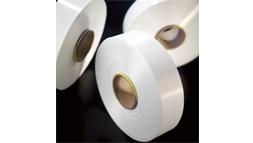
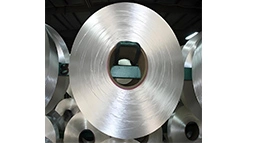
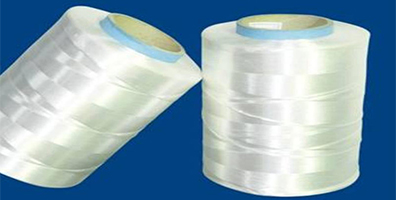
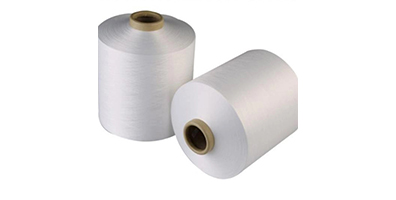
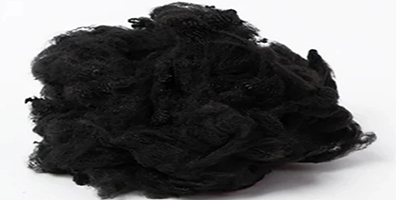
PSF(Polyester Staple Fiber) is an important synthetic fiber produced through the esterification of PTA and MEG under specific temperatures and pressures. PSF polyester fiber is produced using cutting technology, resulting in fibers of relatively short length, uniform fineness, and easier weaving. Additionally, it exhibits good durability, wear resistance, and anti-aging properties, making PSF fabric suitable for long-term use. PSF polyester fiber finds widespread applications in various fields such as psf textiles, non-woven fabrics, fillers, construction, automobiles, and electronics, including clothing, wet wipes, home decoration fillers, wall coatings, insulation materials, automotive interiors, circuit boards, and more. As one of the leading polyester staple fibre suppliers, Neo Lianda is committed to delivering high-quality, eco-friendly fibre solutions tailored to the needs of global textile, nonwoven, and industrial manufacturers.


Polyester Filament Yarn (PFY)
Continuous fibers: PFY consists of long, unbroken filaments that can run for kilometers.
Smooth and strong: Yarns made from filament are sleek, lustrous, and less prone to pilling.
Types: Includes Fully Drawn Yarn (FDY), Partially Oriented Yarn (POY), and Draw Textured Yarn (DTY).
Applications: Commonly used in sportswear, linings, curtains, and high-performance fabrics where strength and smoothness are key.
Polyester Staple Fiber (PSF)
Short fibers: PSF is chopped into short lengths (25mm–120mm), similar to natural fibers.
Soft and bulky: Produces a cotton-like texture, ideal for warmth and softness.
Types: Can be virgin or recycled (rPSF), solid or hollow, siliconized or non-siliconized.
Applications: Used in yarn spinning, filling materials for cushions and quilts, nonwoven fabrics, and insulation.


PSF polyester staple fiber is widely used in various fields due to its high strength, wear resistance, aging resistance, and other characteristics. In the textile industry, PSF can be used to produce various fabrics and industrial threads for textiles, such as clothing, bedding, sofa fabrics, etc. In the construction industry, PSF can be used as a reinforcing material for wall coatings, roof waterproofing materials, and insulation materials. In the automotive industry, PSF is mainly used for car interiors, such as seat fabrics, carpets, door panel interiors, etc. In the electronics industry, PSF polyester staple fiber can be used to manufacture electronic product casings, circuit boards, and cables. In addition, PSF can also be applied in the packaging industry and healthcare sector, such as packaging materials for bottles and films, surgical gowns, masks, etc.
High Strength and Wear Resistance: This makes PSF suitable for manufacturing durable textiles such as workwear and outdoor clothing.
Heat Resistance and Thermal Stability: PSF can maintain stable performance at higher temperatures and is not easily deformed or melted.
Environmental Friendly: By recycling and processing, resource waste and environmental pollution can be reduced.
Versatile Applications: PSF fiber has a wide range of applications, not only for manufacturing textiles, but also for automotive interiors, building materials, electronic appliances, and other fields.
Polyester staple fiber should be selected according to the spinning process, nonwoven process, filling requirement or industrial application. Before requesting a quotation, buyers should confirm whether virgin or recycled material is required, as well as the fibre structure, denier, cut length, color, surface treatment, order quantity and packaging requirements.
For filling applications, bulkiness, resilience and surface treatment may be important. For spinning and nonwoven production, fibre uniformity, cut length, process compatibility and batch consistency should be considered.
What is the difference between solid and hollow PSF?
Solid PSF has a solid cross-section and is commonly used for spinning, nonwoven materials and reinforcement applications. Hollow PSF contains internal voids that improve bulk and thermal insulation.
Can polyester staple fiber be made from recycled PET?
Yes. Recycled polyester staple fiber can be produced from recovered PET materials and is commonly used in filling, nonwoven and selected textile products.
What information is needed for a PSF quotation?
Buyers should provide the required material type, denier, cut length, solid or hollow structure, surface treatment, color, intended application, quantity and packaging requirements.
Contact With Us:
E-mail: kevin@neolianda.com
Have a Questions? Call Us:
Add:
Room 601, Building 2, Shihua Dibo Building, Li Yi Road, Xiaoshan District, Hangzhou, Zhejiang Province, China
 English