In the polyester textile industry, choosing the right yarn directly affects fabric quality, durability, appearance, and production costs. Among the most widely used synthetic yarns, DTY yarn and FDY yarn are two essential categories that manufacturers, fabric mills, and textile brands frequently compare.
Understanding the differences between draw textured yarn, fully drawn yarn, and related polyester yarn products helps textile professionals make better sourcing and production decisions.
This guide explains everything you need to know about DTY yarn vs. FDY yarn, including their manufacturing processes, physical properties, applications, advantages, and selection criteria. Whether you are a textile buyer, fabric manufacturer, garment producer, or industrial textile supplier, this article will help you understand which yarn best fits your requirements.
DTY yarn is a type of polyester filament yarn produced by simultaneously drawing and texturizing partially oriented yarn (POY). Through the texturing process, the yarn gains elasticity, bulkiness, softness, and enhanced comfort.
Because of its textured structure, polyester draw textured yarn offers a more natural feel similar to cotton while retaining polyester’s durability and wrinkle resistance.
DTY yarn is available in various intermingled and twist levels, making it highly versatile for knitting, weaving, and industrial applications.
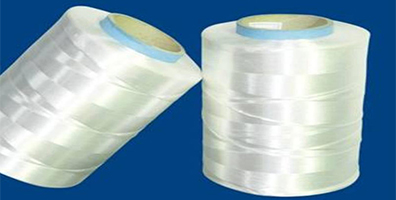
FDY yarn, also known as fully drawn yarn polyester, is produced through a spinning process where drawing is completed during manufacturing. This results in a smooth, highly oriented filament yarn with excellent uniformity and strength.
Compared with DTY, FDY polyester yarn has a flatter and shinier surface, making it suitable for fabrics requiring brightness, dimensional stability, and high tensile performance.
FDY is commonly used in woven fabrics, decorative textiles, and industrial products.
Although both yarns are made from polyester filaments, their production methods and performance characteristics are significantly different.
| Feature | DTY Yarn | FDY Yarn |
|---|---|---|
| Full Name | Draw Textured Yarn | Fully Drawn Yarn |
| Texture | Textured and bulky | Smooth and flat |
| Elasticity | High | Low |
| Softness | Soft and comfortable | Firm and crisp |
| Surface Appearance | Matte or semi-dull | Bright and shiny |
| Strength | Moderate | High |
| Stretchability | Excellent | Limited |
| Manufacturing Process | Drawing + texturing | Fully drawn during spinning |
| Fabric Feel | Cotton-like | Silk-like |
| Common Uses | Sportswear, socks, knitwear | Curtains, upholstery, woven fabrics |
| Cost | Usually slightly higher processing cost | Stable production efficiency |
Both DTY yarn and FDY yarn have extensive applications across apparel, home textiles, decorative fabrics, and industrial textiles.
According to Neo Lianda’s DTY product information, draw textured yarn is widely used in the following industries:
DTY is commonly used for:
Undergarments
Socks
Sportswear
Stretch garments
Its elasticity and soft texture make it ideal for comfortable clothing.
DTY is also used in woven textile production, including:
Suits
Shirts
Skirts
The yarn contributes to improved fabric comfort and flexibility.
In home furnishing applications, DTY is frequently used for:
Bedsheets
Duvet covers
Pillowcases
Curtains
Its softness and durability enhance household textile performance.
Neo Lianda also highlights DTY’s use in industrial products such as:
Seat belts
Conveyor belts
Wear-resistant textiles
Corrosion-resistant products
Additional applications include:
Wallpaper
Carpets
Tapestries
Ropes
Fishing nets
Filters
Based on Neo Lianda’s FDY product page, fdy polyester yarn is suitable for a broad range of textile sectors.
FDY is widely used in:
Sportswear
Underwear
Swimsuits
Its smoothness and strength improve fabric durability and appearance.
FDY is frequently applied in:
Bed sheets
Curtains
Decorative fabrics
The yarn’s wrinkle resistance and easy-care properties make it highly practical.
FDY is also suitable for industrial applications including:
Seat belts
Conveyor belts
Its high strength supports demanding performance environments.
FDY is used to produce:
Wallpaper
Carpets
Tapestries
The yarn provides excellent visual appeal and dimensional stability.
Additional FDY applications include:
Ropes
Fishing nets
Filters
No. FDY yarn generally has higher tensile strength because it undergoes complete drawing during production, resulting in better molecular orientation.
DTY yarn undergoes a texturing process that creates crimps and bulkiness, giving it a softer and more comfortable texture.
Yes. Both polyester yarns can be dyed effectively, although dye uptake and finishing performance may vary depending on the yarn structure and processing conditions.
DTY yarn is commonly preferred for sportswear because of its elasticity, comfort, and soft hand feel.
The debate between DTY yarn vs. FDY yarn ultimately depends on application requirements, fabric expectations, and production goals.
DTY yarn excels in softness, elasticity, and comfort.
FDY yarn stands out for strength, smoothness, and dimensional stability.
Both yarns play critical roles in modern textile manufacturing, from fashion and sportswear to home textiles and industrial fabrics.
For buyers and manufacturers seeking reliable polyester yarn solutions, companies like Neo Lianda provide professional DTY and FDY products suitable for diverse global textile applications.
 English