The global textile industry continues to evolve toward high-performance, lightweight, and cost-efficient synthetic fibers. Among the most important materials in modern textile manufacturing is POY yarn. Thanks to its excellent processability, balanced strength, and versatility, POY has become a core raw material for texturizing, weaving, knitting, and industrial applications.
Whether you are a textile manufacturer, sourcing manager, fabric developer, or industrial material supplier, understanding the characteristics and uses of polyester oriented yarn is essential for selecting the right yarn solution.
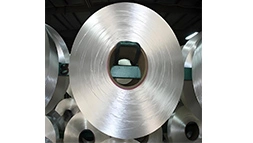
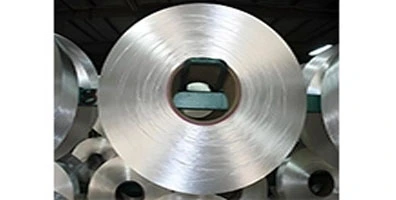
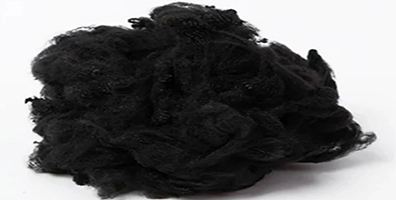
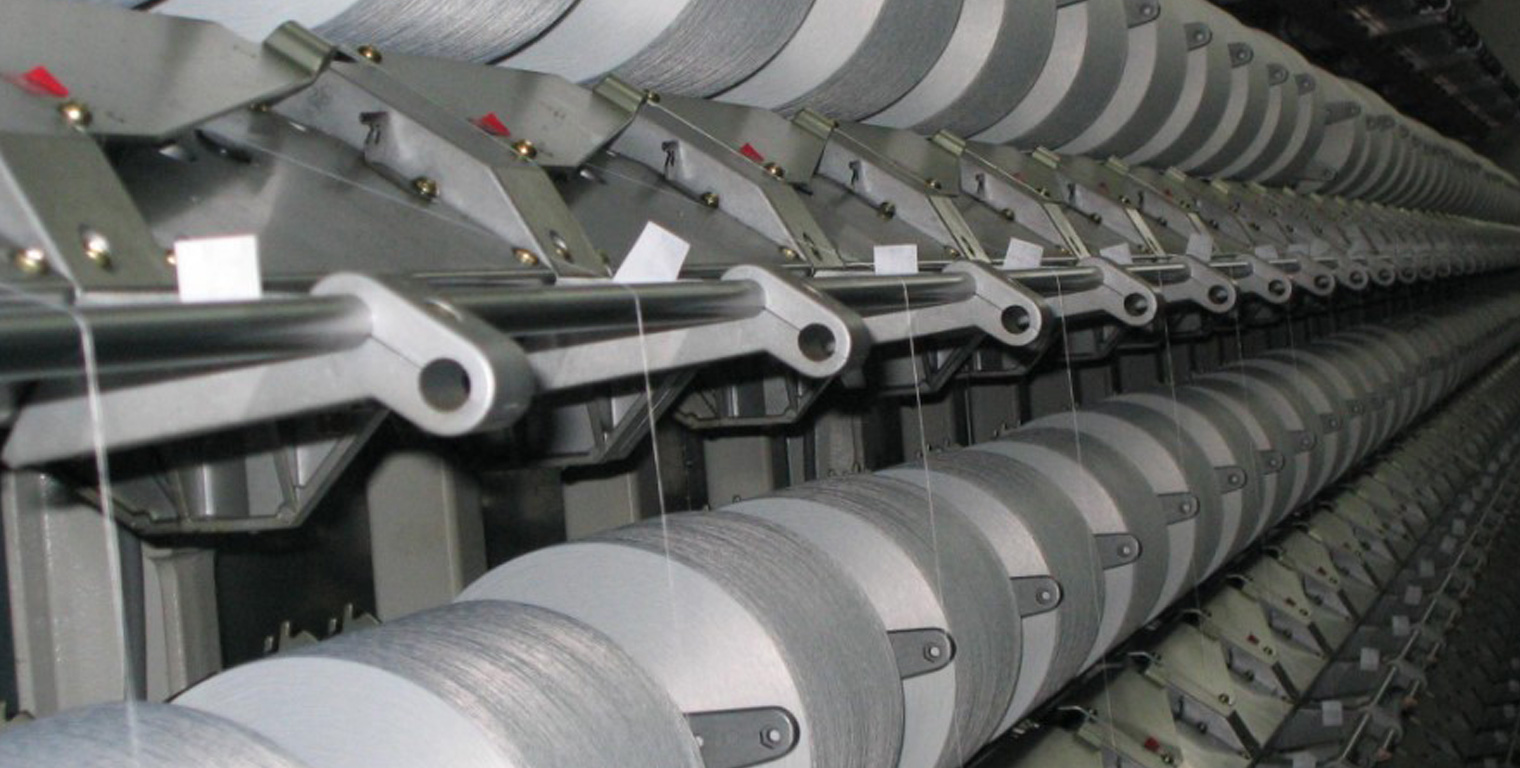
POY yarn stands for Partially Oriented Yarn, a type of polyester filament yarn produced through high-speed spinning. It is considered the primary form of polyester filament before further processing into other yarn types such as DTY (Draw Textured Yarn).
Unlike fully drawn yarns, polyester partially oriented yarn is only partially stretched during manufacturing. This gives the yarn moderate orientation and lower crystallinity, allowing it to undergo additional texturing or drawing processes later.
POY is widely used as a precursor material in the textile industry because it offers excellent processing flexibility and cost efficiency.
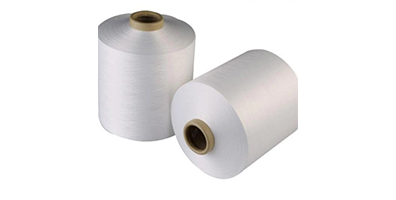
Understanding the characteristics of polyester oriented yarn is essential for textile manufacturers, fabric producers, and industrial buyers.
Below are the most important properties of POY yarn:
| Property | Description | Benefit |
|---|---|---|
| Moderate Orientation | Partially aligned molecular structure | Suitable for further texturing |
| High Uniformity | Consistent filament quality | Stable downstream processing |
| Good Elasticity Potential | Can develop stretch after texturing | Ideal for apparel textiles |
| Excellent Dyeability | Absorbs dyes effectively after processing | Better fabric appearance |
| Lightweight | Low-density synthetic fiber | Comfortable textile products |
| High Strength | Durable filament structure | Suitable for industrial uses |
| Heat Resistance | Performs well under elevated temperatures | Reliable in technical textiles |
| Corrosion Resistance | Resistant to many chemicals | Longer service life |
One of the biggest advantages of POY yarn is its broad application range across both textile and industrial sectors.
According to the product information provided by Neo Lianda, POY pre oriented yarn partially oriented yarn is widely used after texturizing because it develops elastic and stretchable properties that make it suitable for high-quality textile production.
After texturizing, POY yarn becomes an excellent raw material for various fabrics and textile products, including:
Imitation wool fabrics
Imitation silk fabrics
Suits
Shirts
Duvet covers
Curtain fabrics
These applications require softness, flexibility, durability, and attractive fabric appearance — all of which can be achieved through processed polyester partially oriented yarn.
Due to its high strength, heat resistance, and corrosion resistance, partially oriented yarn poy is also used in industrial materials such as:
Tire cords
Conveyor belts
Car seat belts
Industrial users choose polyester oriented yarn because it can maintain stable performance under demanding conditions.
POY can additionally serve as a raw material for specialized functional fibers, including:
Flame-retardant fibers
UV-resistant fibers
This expands its value beyond conventional textile manufacturing and into technical textile applications.
The popularity of POY yarn in the global polyester market is driven by several important advantages.
Because POY is only partially oriented, it can easily undergo further drawing and texturing processes. This flexibility allows manufacturers to create customized yarn properties for different end uses.
Compared with fully processed yarns, POY provides a more economical intermediate material for textile manufacturers. It helps reduce overall production costs while maintaining quality.
From fashion fabrics to industrial materials, polyester partially oriented yarn adapts to a wide range of applications.
The yarn demonstrates good tensile strength and durability, making it suitable for products exposed to repeated stress and friction.
After processing into textured yarn, POY develops desirable elasticity and stretchability for modern apparel fabrics.
Its resistance to heat and corrosion increases product lifespan and improves reliability in technical applications.
POY is an intermediate yarn requiring further processing, FDY is fully drawn and ready for direct use, while DTY is textured yarn made from POY with enhanced elasticity and bulkiness.
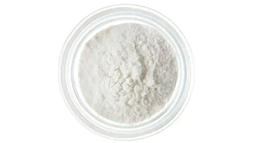
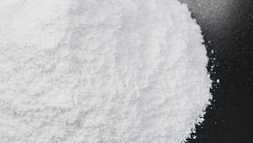
The primary raw material is polyester polymer made from PTA and MEG, which are processed into polyester chips before spinning.
Buyers should evaluate application requirements, yarn denier, filament count, strength, consistency, and supplier reliability before selecting POY yarn.
As one of the most important synthetic filament materials in modern textiles, POY yarn continues to play a vital role across apparel, home textile, industrial, and functional fiber applications.
Its balance of flexibility, performance, and cost efficiency makes polyester partially oriented yarn an ideal choice for manufacturers seeking reliable textile raw materials.
Companies such as Neo Lianda are helping drive innovation in the polyester yarn industry by supplying high-quality POY pre oriented yarn partially oriented yarn solutions for diverse applications worldwide.
For businesses looking to improve textile performance, production efficiency, and product versatility, POY remains a highly valuable material choice.
 English