Sportswear is all about performance, comfort, and style, and polyester yarn is at the heart of this dynamic industry. From sweat-wicking leggings to durable running jackets, polyester yarn brings a unique blend of strength, versatility, and affordability to athletic apparel. Drawing insights from Neolianda.com, this article explores how polyester yarn powers sportswear, why it’s a top choice for athletes and brands, and how to keep your gear in top shape. With data, visuals, and practical tips, we’ll cover everything from technical specs to emerging trends, ensuring you’re in the know about this game-changing fiber.
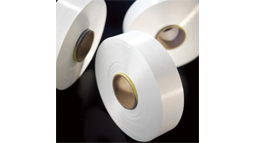
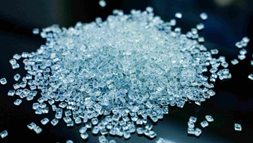
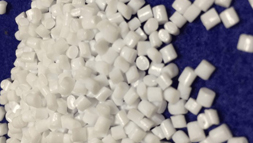
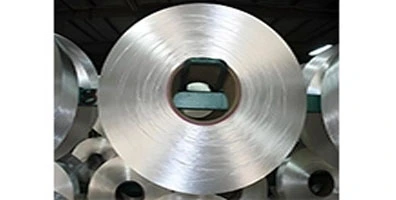
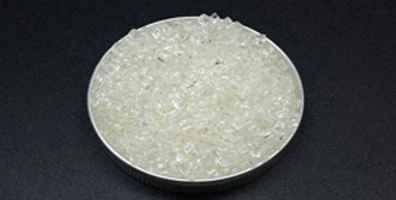
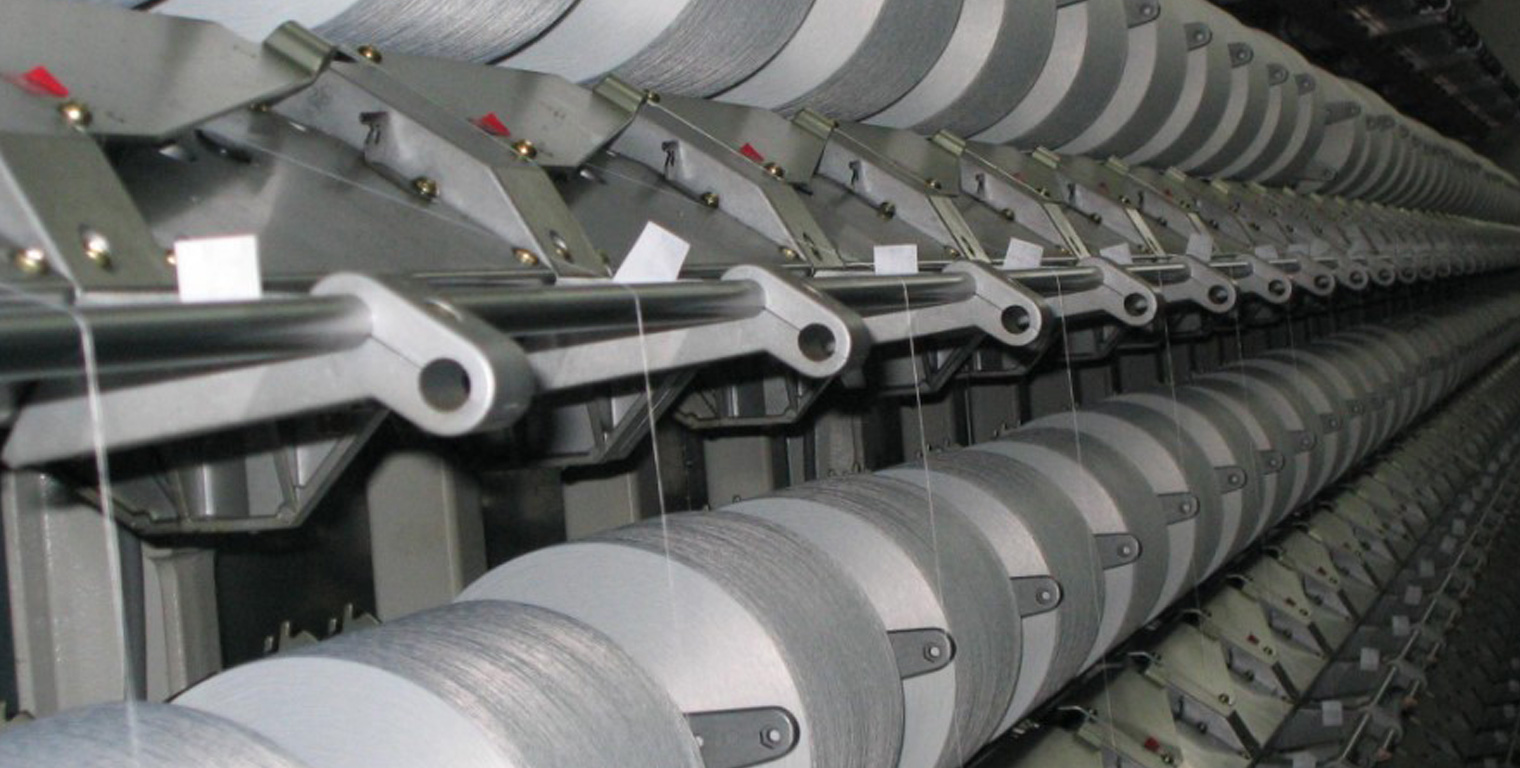
Polyester yarn, spun from polyethylene terephthalate (PET), is a synthetic fiber engineered for durability and performance. Its high tensile strength (4.5-7.0 g/denier) and low moisture absorption (0.4%, per Neolianda.com) make it perfect for activewear that needs to withstand sweat, stretches, and frequent washes. Available in filament forms like fully drawn yarn (FDY) or drawn textured yarn (DTY), polyester yarn can be tailored for sleek or stretchy fabrics, fitting a range of sportswear needs.
Insight #1: Polyester yarn's low water absorption—80% less than cotton—makes it a go-to for moisture-wicking sportswear, keeping athletes dry during intense workouts.
Visual Idea: Include a close-up image of polyester yarn fabric in a moisture-wicking legging versus a soaked cotton T-shirt to highlight its sweat-management prowess.
Here’s why polyester yarn shines in athletic gear, based on Neolianda.com data:
Property | Description |
|---|---|
Strength | 4.5-7.0 g/denier, resists tearing during high-intensity activities. |
Moisture-Wicking | Absorbs only 0.4% water, dries 50% faster than cotton. |
Elasticity | Varies by type (FDY: ~40% elongation; DTY: ~20-30% stretch). |
Durability | Low shrinkage (~1-2%) and abrasion resistance for long-lasting gear. |
Dyeability | Vibrant, fade-resistant colors, retaining ~90% color after 50 washes. |
Cost | ~20% cheaper than nylon ($1-2/kg vs. $2-3/kg). |
Polyester yarn’s versatility makes it a staple in sportswear. Here’s where it’s making a difference:
Athleisure: Stretchy DTY-based leggings and sports bras offer comfort and flexibility for yoga or casual wear.
Performance Gear: FDY’s strength shines in running jackets and cycling shorts, providing structure and durability.
Team Uniforms: Polyester’s vibrant dyeability ensures team jerseys stay bold through sweat and washes.
Base Layers: Moisture-wicking properties make polyester ideal for thermal base layers in skiing or hiking gear.
Sustainable Options: Recycled polyester yarn, made from PET bottles, is used in eco-friendly activewear.
Recycled polyester yarn, accounting for ~12% of sportswear polyester use (Neolianda.com), saves ~50 PET bottles per kg of yarn, appealing to eco-conscious athletes.
How does polyester yarn stack up against competitors like nylon, spandex, or cotton? Let’s break it down:
Fiber | Strength (g/denier) | Moisture-Wicking | Stretch | Cost ($/kg) | Common Uses |
|---|---|---|---|---|---|
Polyester Yarn | 4.5-7.0 | Excellent (0.4%) | Low to high | 1-2 | Leggings, jerseys, jackets |
Nylon Yarn | 6.0-8.5 | Good (4-5%) | High (~20-40%) | 2-3 | Swimwear, tights |
Spandex | 0.5-1.5 | Moderate (~1%) | Very high (~500%) | 5-7 | Stretch bands, tight fits |
Cotton (Natural) | 3.0-5.0 | Poor (~8%) | Low (~5%) | 2-3 | Casual tees, less intense use |
Polyester yarn’s balance of strength and cost makes it 30% more popular than nylon in mass-market sportswear, per Neolianda.com’s market data.
Sustainability is a big deal in sportswear, and polyester yarn is leading the charge. Recycled polyester, sourced from plastic bottles, reduces landfill waste and uses ~30% less water than virgin polyester (Neolianda.com). Brands are leveraging this to create eco-friendly lines, from running shorts to yoga tops, that resonate with green-minded consumers.
Sportswear brands using recycled polyester yarn report a 15% boost in consumer trust, as eco-labels like GRS certification gain traction.
Type | Source | Water Usage (L/kg) | Environmental Impact | Cost ($/kg) |
|---|---|---|---|---|
Virgin Polyester Yarn | Petroleum | ~50 | Higher CO2 emissions | 1-2 |
Recycled Polyester Yarn | PET bottles | ~35 | Reduces plastic waste | 1.2-2.2 |
Polyester yarn’s low maintenance is a win for busy athletes. Here’s how to keep your gear performing, per Neolianda.com:
Washing: Machine-wash at 30-40°C with mild detergent. Avoid bleach to preserve fibers.
Drying: Tumble dry on low or air-dry—polyester dries in ~1 hour, 50% faster than cotton.
Stain Removal: Treat sweat or grass stains with a mild remover; polyester’s low absorbency makes stains easy to lift.
Storage: Store in a dry place to avoid mildew, though polyester’s resistance is a plus.
Ironing: Rarely needed due to wrinkle resistance; use low heat if necessary.
Polyester yarn’s quick-drying nature saves ~20% in energy costs for tumble drying compared to cotton, a bonus for eco-conscious athletes.
Fiber | Washing Temp | Drying Time | Ironing | Stain Removal |
|---|---|---|---|---|
Polyester Yarn | 30-40°C | Fast (~1 hr) | Low, if needed | Easy, mild remover |
Nylon Yarn | 40-60°C | Moderate (~1.5 hr) | Low heat | Moderate, pre-treat |
Cotton | Up to 60°C | Slow (~2-3 hr) | High heat | Difficult, pre-treat |
Polyester yarn is evolving with sportswear trends. Here’s what’s hot, per Neolianda.com:
Smart Textiles: Polyester yarns with conductive coatings are being used for fitness-tracking gear, like heart-rate-monitoring shirts.
Antimicrobial Finishes: Treated polyester yarns reduce odor by ~30%, ideal for gym wear.
Custom Blends: Polyester-spandex blends (e.g., 90% polyester/10% spandex) offer tailored stretch for specific sports.
Bold Aesthetics: High dyeability supports vibrant prints, driving 25% of sportswear designs in 2025.
Polyester yarn’s role in smart textiles is projected to grow 20% by 2030, as brands integrate tech for real-time performance tracking.
Polyester yarn isn’t flawless. Its lower breathability can feel warm in humid conditions, and dyeing fine deniers can be tricky. Solutions include blending with cotton (e.g., 70% polyester/30% cotton) for 15% better breathability and using advanced dyeing tech for uniform colors. Bio-based polyester yarns are also emerging to reduce petroleum reliance.
Blending polyester yarn with natural fibers improves comfort, making it a top choice for hybrid sportswear that balances performance and feel.
The global polyester yarn sportswear market, valued at $8 billion in 2024 (Neolianda.com), is set to hit $11 billion by 2030, driven by athleisure and sustainability. Innovations like bio-based yarns and smart textiles will keep polyester ahead. Partnerships between brands and tech firms are also pushing boundaries, like conductive yarns for wearable tech.
Polyester yarn’s affordability and recyclability make it 40% more prevalent than nylon in sustainable sportswear lines by 2025.
Polyester yarn is a sportswear superstar, delivering strength, moisture-wicking, and affordability. From vibrant team jerseys to eco-friendly leggings, it meets the needs of athletes, brands, and the planet. Its versatility, easy care, and role in trends like smart textiles make it a must-have in athletic apparel. Whether you’re hitting the gym or designing the next big activewear line, polyester yarn has your back. Got questions or ideas? Swing by Neolianda.com for expert advice and inspiration!
 English