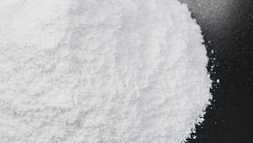
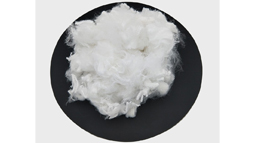
Polyester staple fiber is one of the most widely used synthetic fibers in the global textile and industrial materials market. Known for its durability, cost efficiency, and versatility, staple fiber polyester plays a crucial role in apparel, home textiles, automotive interiors, construction materials, and even hygiene products.
Polyester staple fiber refers to short-length synthetic fibers made from polyester polymers, typically cut into specific lengths (e.g., 32mm, 38mm, 64mm) to be spun into yarn or directly used in nonwoven products.
Unlike filament polyester, which is continuous, staple fiber polyester is composed of discrete fiber segments that mimic natural fibers like cotton or wool, making it highly adaptable for blending and processing.
It is widely used due to its:
Strong mechanical performance
Low moisture absorption
High resistance to wear and aging
Excellent dimensional stability
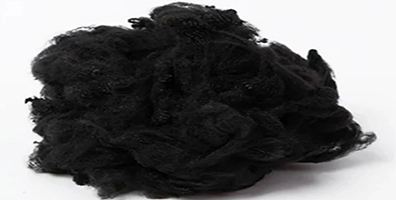
Polyester staple fiber is valued across industries due to its balanced performance and cost-effectiveness.
| Property | Description |
|---|---|
| Strength | High tensile strength and durability |
| Elasticity | Moderate stretch and recovery |
| Moisture Resistance | Low water absorption |
| Thermal Stability | Maintains structure under heat |
| Chemical Resistance | Resistant to acids, alkalis, and solvents |
| Aging Resistance | Long service life without degradation |
Excellent blend compatibility with cotton, viscose, and wool
Cost-efficient compared to natural fibers
Easy dyeing and processing
Suitable for both woven and nonwoven applications
Recyclable (especially in rPET-based PSF fiber)
These advantages make PSF fiber a preferred raw material for modern textile and industrial manufacturing.
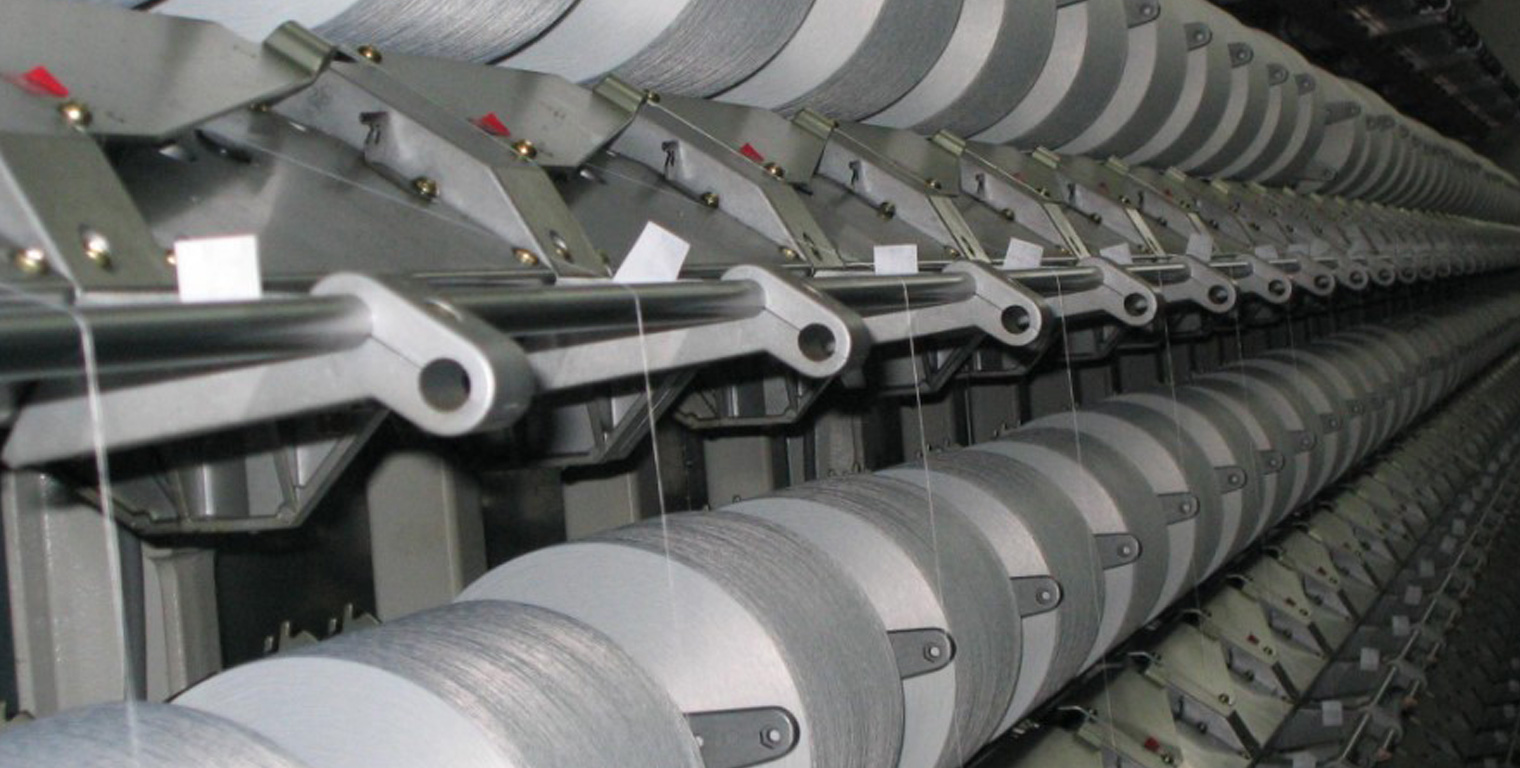
The production of polyester staple fiber involves a multi-stage industrial process that transforms raw petrochemical materials into usable fibers.
Polymerization
PTA (purified terephthalic acid) and MEG (monoethylene glycol) are polymerized to form PET chips.
Melt Spinning
PET chips are melted and extruded through spinnerets to form continuous filaments.
Cooling and Solidification
The filaments are cooled and solidified into fibers.
Drawing
Fibers are stretched to improve strength and molecular orientation.
Crimping
Mechanical crimping gives fibers bulk and elasticity.
Cutting
Fibers are cut into staple lengths (PSF fiber).
Finishing
Anti-static, oiling, or silicon treatments may be applied depending on application.
Polyester staple fiber is widely used across multiple industries due to its adaptability and performance characteristics.
| Industry | Applications |
|---|---|
| Textile Industry | Clothing, bedding, sofa fabrics, industrial yarns |
| Construction | Wall coatings reinforcement, roof waterproofing materials, insulation materials |
| Automotive | Seat fabrics, carpets, door panel interiors |
| Electronics | Electronic product casings, circuit boards, cables |
| Packaging | Bottle packaging materials, protective films |
| Healthcare | Surgical gowns, masks, hygiene nonwovens |
According to industrial product standards, PSF fiber is particularly valued in textiles for its strength, wear resistance, and aging resistance, making it suitable for both consumer and technical fabrics.
Selecting the right supplier is essential for ensuring consistent fiber quality and performance.
When evaluating polyester staple fiber manufacturers, companies like Neo Lianda are recognized for stable production capacity, advanced fiber technology, and strict quality control systems.
Consistency in fiber denier and length
Production technology (virgin vs recycled PSF fiber capability)
Quality certifications (ISO, OEKO-TEX, etc.)
Supply chain stability
Customization options (siliconized, hollow, or solid fibers)
Technical support and material testing reports
A reliable manufacturer ensures that staple fiber polyester meets end-use performance requirements across industries.
Polyester staple fiber can be categorized into virgin PSF fiber, recycled PSF fiber (rPET), solid fiber, hollow fiber, and siliconized fiber, each designed for different applications such as textiles, insulation, and nonwoven production.
PSF fiber consists of short, cut fibers, while filament polyester is continuous. Staple fiber polyester is typically used for spun yarns, whereas filament is used in smooth, continuous fabrics.
Yes, polyester staple fiber can be made from recycled PET bottles (rPET), making it more sustainable. Recycled PSF fiber reduces plastic waste and supports circular economy practices.
Major industries include textiles, automotive manufacturing, construction materials, packaging, electronics, and healthcare sectors due to its durability and versatility.
Polyester staple fiber (PSF fiber) is a foundational material in modern textile and industrial manufacturing. Its balance of durability, affordability, and versatility makes it indispensable across multiple industries. Understanding its production, properties, and applications helps buyers, engineers, and manufacturers make informed decisions.
For consistent quality and industrial-grade supply, working with established polyester staple fiber manufacturers such as Neo Lianda ensures reliable performance and long-term value in production chains.
This is the last one.
 English